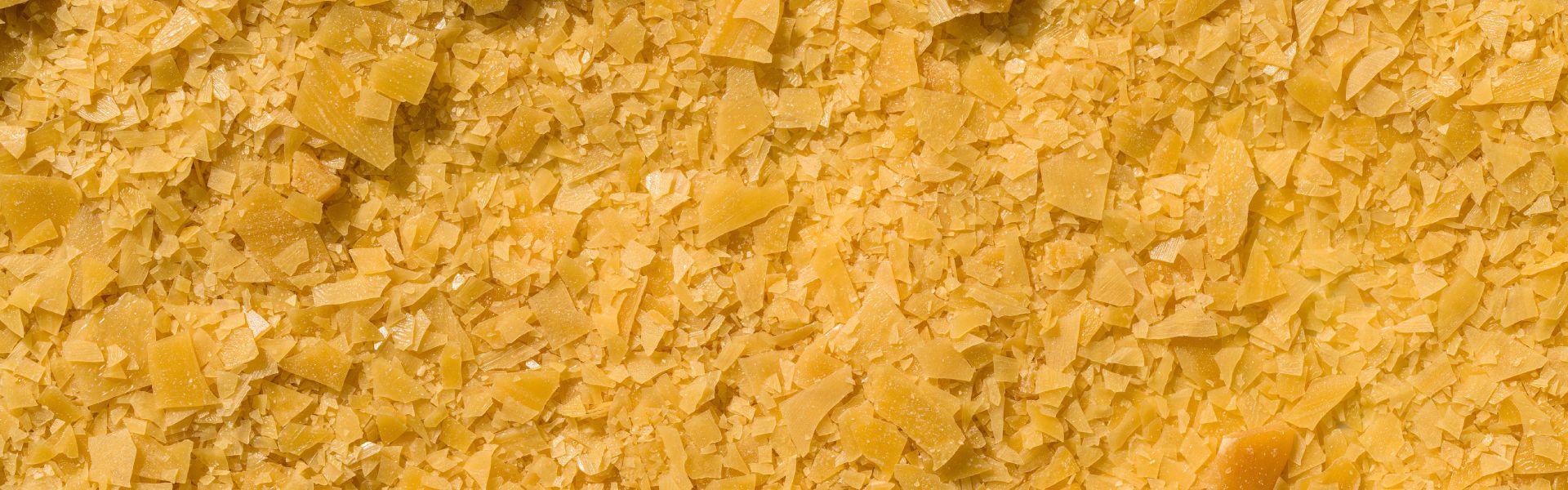
Carnaubawax is the hardest natural wax therefore it's highly desirable in both the food and cosmetics industries. This extraordinary substance is derived from the leaves of a type of palm tree native to Brazil, which has the capacity to reach a height of 20 meters. Out of all thenatural waxesfound in the market,carnaubais the one with the highest melting point (80-86°C), and is, therefore, the perfect choice for heat and durability-demanding applications.
Even though it is often utilized in candies, chocolates, and cosmetics, it turns out that most people do not know that it is also contained in their everyday products. Nevertheless, there have been worries over the adverse conditions under which the Brazilian laborers work and the ecological consequences of large-scale production.
To achieve the goal of sustainability, the specialists adopt a very rigorous approach to leaf harvesting involving a limitation of around 10-20 leaves per palm with the aim of safeguarding the ecosystem.
In this article we are going to present the various features ofcarnauba waxincluding cultivation, vegan certification, and its role in food and beauty products. And as the trend for plant-based products is on the rise, we are going to address whethercarnauba wax is vegan friendlyor not.
Located in the northeast of Brazil, thecarnauba waxis obtained from the beautiful Copernicia prunifera palm which is the sole source of this wax. This marvelous palm is found in the states of Ceará, Piauí, Paraíba, Pernambuco, Rio Grande do Norte, Maranhão, and Bahia.
This palm, also known as the "Tree of Life", protects itself from moisture loss in the humid tropical climate by making a waxy coating on its leaves. These special trees are found in the wild along the rivers, creeks, and swampy areas where they flourish in groups. The stands of these trees can grow to be hundreds of square kilometers across.
The harvest of thecarnauba palmruns from July through February. Skilled workers collect the palm's green leaves with specialized tools - long poles that have cutting knives attached to their tips. The workers spread these leaves on the ground to dry in the sun, which takes 6-12 days. The dried leaves go through a beating process by hand or machine, and the wax separates into a fine powder.
Raw powder becomes refinedcarnauba waxthrough several precise steps:
On top of that, Brazil's production capacity is substantial. The country produced22,409 tonsofcarnauba waxin 2006, with 14% in solid form and 86% in powder form.
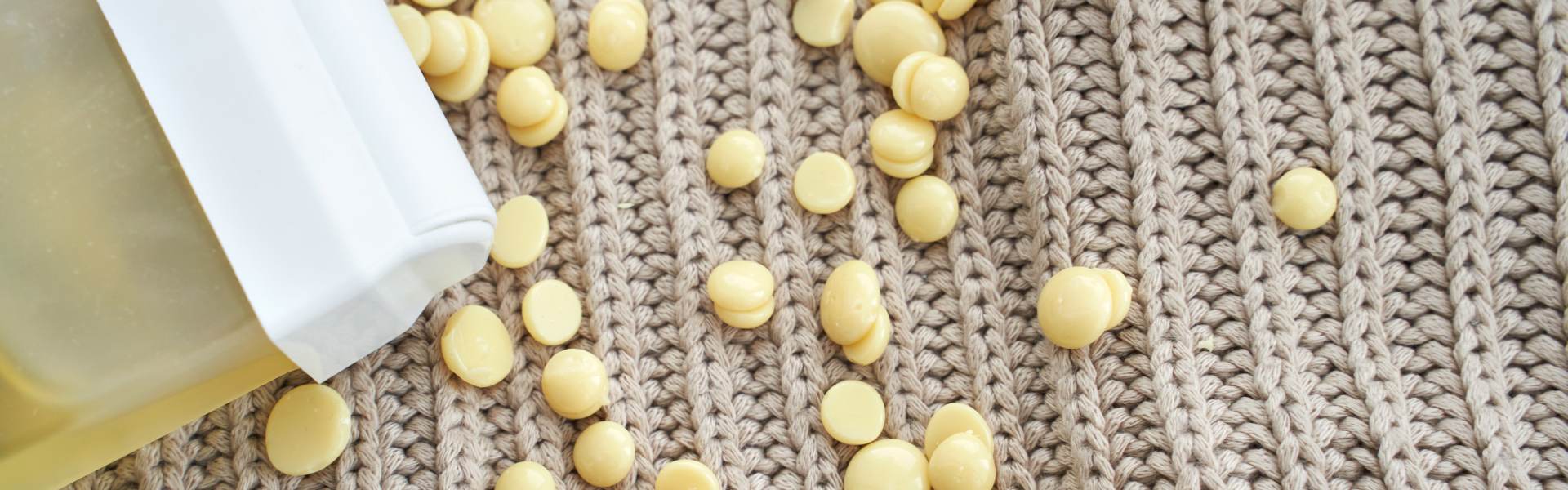
Thevegan status of carnauba waxgoes way beyond its plant-based classification. This natural substance comes straight from palm leaves, but conscious consumers should think about several key factors.
Carnauba wax's vegan credentialsstem from its extraction from the Copernicia prunifera palm leaves. Unlikebeeswaxthat exploits animals, carnauba wax needs no animal involvement during production or processing. The wax acts as a natural leaf coating that shields palm leaves from drying out in their native semi-arid climate. For this reason,carnauba waxcan be considered a vegan-friendly choice.
Many industries benefit from the diverse uses ofCarnauba waxas a plant-based ingredient. Consumers recognize this type of wax as an excellent compound for food items along with cosmetic and industrial applications.
In the food industrycarnauba waxis used as a coating agent to extend fruits and vegetables' shelf life by preventing moisture loss. It also works as a protective coating in confectionery items, especially sweets and chewing gum, which improves their look and durability. Food manufacturers value this wax because it fits well with vegan and allergy-sensitive diets.
The cosmetics industry usescarnauba wax's unique properties in several ways:
In addition,carnauba waxworks as a non-gel forming thickener that improves viscosity, which helps create stable, high-quality cosmetic formulas. Moreover, its high melting point of 80-86°C keeps products stable even in warm weather.
Carnauba waxproves valuable beyond beauty and food applications in pharmaceutical and industrial sectors. The pharmaceutical industry benefits from its anti-inflammatory and hypolipidemic properties. Scientists have developed innovative drug delivery systems using theseplant-based waxnanoparticles that effectively target specific cell lines.
The wax has found its way into household products and works well in multi-purpose polishes. Its ability to add shine and protection makes it perfect for furniture maintenance and leather care products.
Scientific research and regulatory reviews have extensively looked atcarnauba wax's safety profile over the last several years. These studies are the foundations of safety guidelines for food and cosmetic products.
Carnauba waxis generally safe, but some people may experience adverse reactions. Research has shown cases of allergic contact dermatitis, especially from cosmetic products like lip balms and lipsticks. Common symptoms include:
People with histamine sensitivity should be careful becausecarnauba waxmight trigger histamine release if they have sensitivity.
The Food and Drug Administration (FDA) considerscarnauba waxGRAS (Generally Recognized as Safe). This status allows its use as:
The European Food Safety Authority (EFSA) has also confirmed the safety ofcarnauba wax. Their studies show no adverse effects in subchronic and reproductive toxicity tests.
In conclusion we can say thatcarnauba waxserves important benefits for all types of industries, making it suitable for consumers seeking animal-free alternatives. The FDA and EFSA's safety studies and regulatory approvals establish it as a reliable ingredient, although people with specific sensitivities should still be careful.
Ethical product selection is a vital part of choosingcarnauba waxproducts. The integrity of this valuable resource depends on supporting manufacturers who embrace fair trade practices and environmentally responsible harvesting methods.