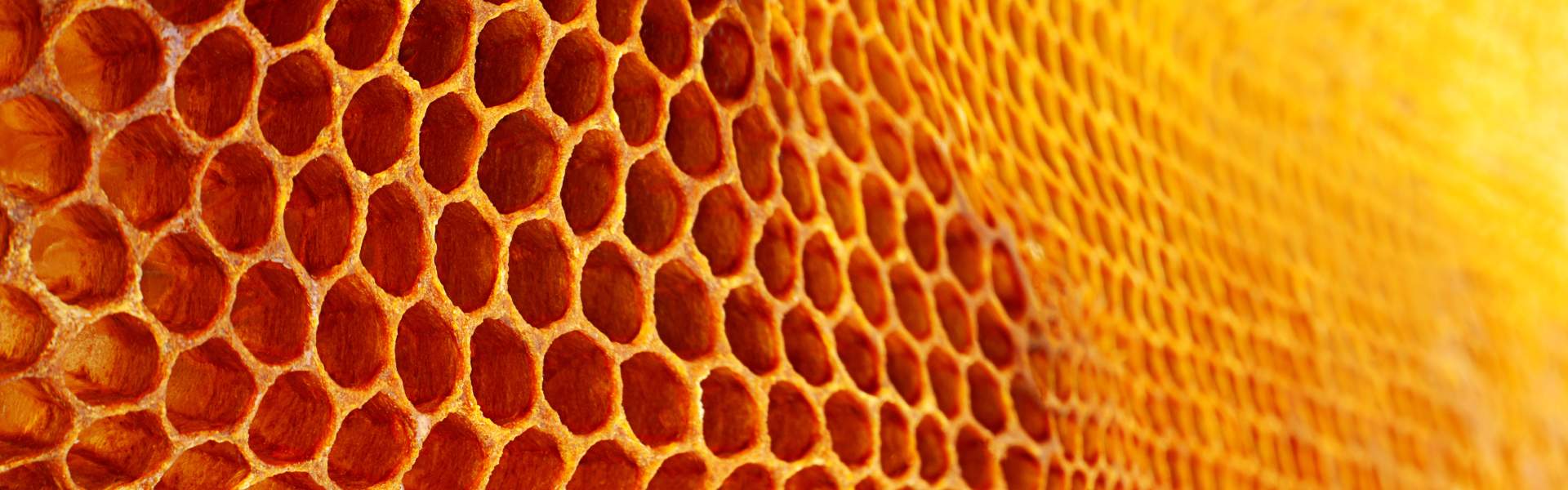
As industries worldwide move towards more sustainable practices, the search for eco-friendly materials has gained momentum.Beeswax, an age-old natural substance, is one of nature's most amazing substances.Syntheticalternatives just can't match its industrial applications. Beyond its well-known presence in cosmetics and candles,beeswaxis making a strong case for itself in modern manufacturing. It has a promising future in a wide range of industrial applications. This versatile, biodegradable material offers a unique combination of sustainability and performance, providing industries with a viable alternative to synthetic solutions.
In this article, we examine the key applications ofbeeswaxin manufacturing, its balance between sustainability and efficiency, the challenges of scaling supply chains, and the future outlook.
Beeswaxis composed of over 300 compounds. These are mostly esters, hydrocarbons, and free acids. This complex structure helps it resist oxidation and remain stable, highly sought-after qualities for creating products that last.Beeswaxis also non-toxic, giving it a considerable safety advantage over petroleum-based options that often contain harmful chemicals.
Beeswaxis a complex natural substance primarily composed of:
This unique composition givesbeeswaxits versatility, making it valuable in various applications, including cosmetics, food preservation, and industry.
Manufacturers worldwide are beginning to realise the numerous benefits of incorporatingbeeswaxinto their production processes. This natural substance goes way beyond its traditional use in cosmetics and candles. Its unique properties make it a valuable asset in various industrial sectors:
Beeswaxplays a crucial role in the textile industry as a thread conditioner and fabric coating. Thread moves more smoothly and doesn't tangle when coated withbeeswax.Beeswaxis also used as a sealant for natural fabrics and leather, providing water resistance and enhancing durability. It's a sustainable alternative to synthetic waterproofing agents.
For centuries,beeswaxhas been a key ingredient in wood polishes and finishes. It provides a protective layer, enhances the natural beauty of the wood, and protects against moisture and wear. Unlike polyurethane,beeswaxallows wood to breathe naturally while keeping it safe. It is also biodegradable.
Metal manufacturers rely onbeeswaxfor precision casting. The material captures tiny details perfectly and retains its shape during the lost-wax casting process. As a lubricant and mould release agent,beeswaxreduces friction and prevents sticking during metal-forming processes, making it essential for creating detailed metal parts and artistic pieces.Beeswaxis also a safer and more environmentally friendly option than many chemical lubricants.
Beeswax-coated paper offers moisture resistance and can be used for sustainable food packaging, reducing the reliance on plastic. These products break down naturally, and as concerns about plastic waste grow, food packaging companies are becoming increasingly reliant onbeeswaxsolutions. By choosingbeeswaxover plastic, these companies are not only reducing their environmental footprint but also contributing to the global effort to curb plastic pollution.
Beeswaxcontributes to the tackiness and flexibility of natural adhesives, making them suitable for a wide range of bonding applications.
The electronics industry has found clever ways to usebeeswax, too. Its excellent insulating properties make it perfect for certain electronic parts. The material remains stable at various temperatures, which enables it to function effectively in environments where synthetic materials may not perform as well.
Beyond cosmetics,beeswaxis a binding agent, coating, and controlled-release mechanism in specific pharmaceutical formulations. It is the wax of choice because of its stability and compatibility with the human body.Beeswaxalso plays a role in ointments, drug coatings, and natural medicine formulations due to its hypoallergenic and protective qualities.
Beeswaxis a staple in skincare products, lip balms, and natural cosmetics. Its emollient properties make it an ideal ingredient for moisturising and protecting skin.
Beeswaxserves as a natural lubricant in machinery and as a key component in wood and metal polishes, replacing petroleum-based alternatives. Car enthusiasts knowbeeswaxmakes excellent polishes and lubricants. People who restore classic cars particularly value these products because they protect and shine better than synthetic options.
Beeswaxforms a protective coating for cheeses and serves as a glazing agent for confections.
Beeswaxcontinues to prove its worth in the manufacturing industry. It offers natural solutions to industrial challenges that synthetic materials often struggle to match. Moreover, ongoing research and innovation in the field of sustainable materials are uncovering new and exciting applications forbeeswax, further solidifying its position as a key player in the move towards eco-friendly manufacturing.
One of the greatest strengths ofbeeswaxis its ability to align sustainability with high performance. Unlikesynthetic waxesor petroleum-based solutions,beeswaxis:
Produced naturally by bees,beeswaxsupports biodiversity and ecological balance. The process ofbeeswaxproduction involves bees consuming honey and secreting wax from special glands on their abdomens. This wax is then used to build honeycombs, which beekeepers can harvest for various uses, ensuring a sustainable and renewable source ofbeeswax.
Its natural composition allows it to break down without harming ecosystems, making it an ideal choice for industries embracing circular economies.
Beeswaxboasts a unique blend of pliability, water resistance, and lubrication, making it a versatile ingredient for diverse manufacturing processes without compromising on performance.
In many applications,beeswaxcan improve the quality and lifespan of products, adding value for both manufacturers and consumers.
These attributes makebeeswaxan attractive alternative for companies aiming to meet environmental regulations while maintaining product integrity. By choosingbeeswax,manufacturers can significantly reduce their reliance on fossil fuels, minimise waste, and create products that are both effective and environmentally responsible.
Despite its benefits, challenges exist in scaling thebeeswaxsupply chain to meet industrial demand. Key considerations include:
However, these challenges are not insurmountable and also present opportunities:
The demand for natural and sustainable materials in manufacturing is expected to increase. Positioningbeeswaxas a key player in industrial innovation will likely make sustainability a paramount concern. This growing demand forbeeswaxwill lead to:
As sustainability becomes a priority across sectors,beeswaxstands out as a compelling natural solution that bridges environmental responsibility with industrial efficiency.
Beeswaxprovides a compelling solution for manufacturers seeking to adopt sustainable practices without compromising performance. Its renewable nature, biodegradability, versatility, and low toxicity make it an attractive alternative to traditional, often harmful, ingredients. While challenges exist in scaling supply chains, the opportunities for innovation and collaboration are vast. By embracingbeeswax,manufacturers can contribute to a more sustainable future while delivering high-quality products that meet the evolving needs of environmentally conscious consumers. As the world shifts towards greener solutions,beeswaxremains a shining example of how nature and industry can work hand in hand to build a more sustainable future.